
Understand the dark.
Night vision, thermal imaging, illumination, and low-light optics are often grouped together even though they solve very different problems. This library explains how the technology works, what the specifications mean, where the limitations are, and how to make better equipment decisions.
Start with the technology. Then decide what equipment makes sense.
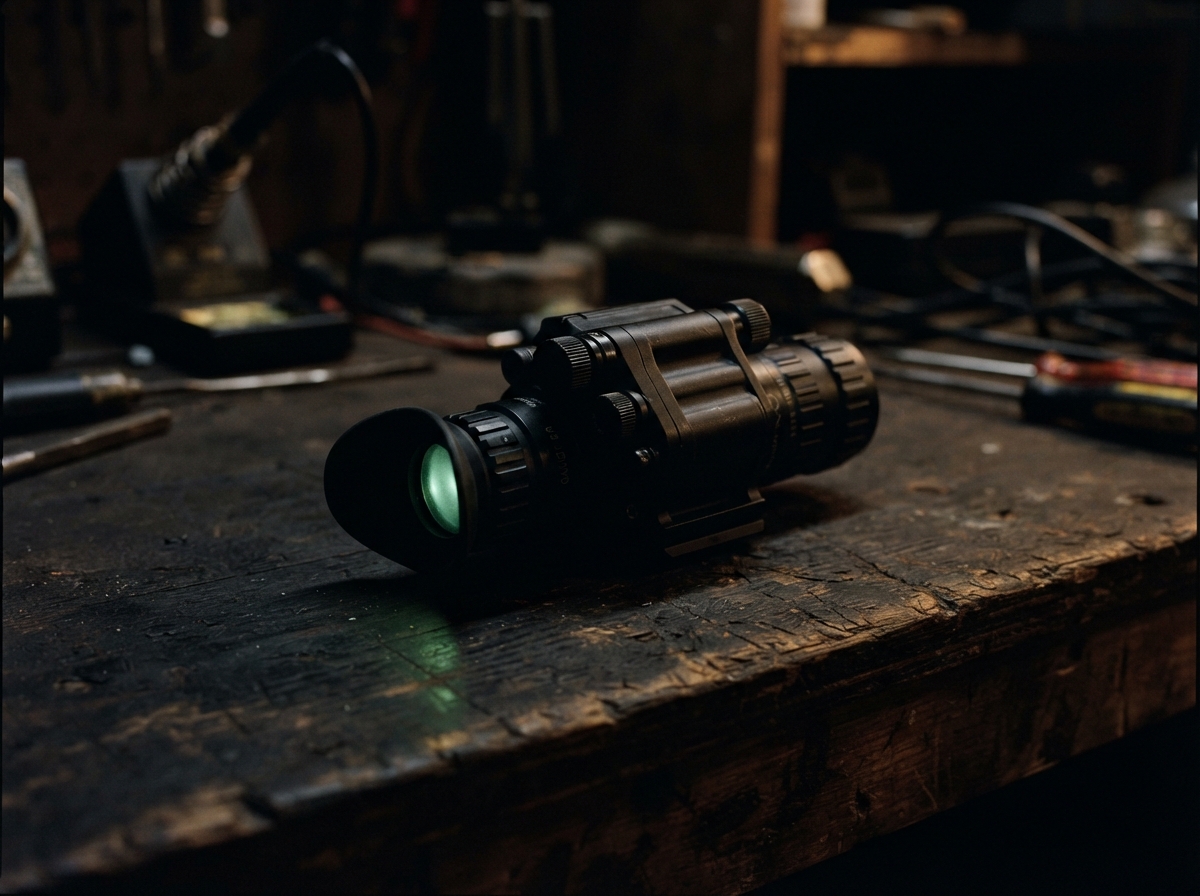
Seeing after dark is not one technology.
Different low-light technologies create useful information in different ways. Image-intensified night vision amplifies available light. Thermal imaging detects differences in emitted infrared energy. Illumination adds light to a scene. Optics determine how effectively that information reaches the viewer.
Those differences explain why one device can be excellent in one environment and disappointing in another. Before comparing products, start by understanding what each technology is actually showing you.
Amplifies available light to produce a visible image of the scene.
Best understood by learning image intensification, tube performance, optics, and device architecture together.
Explore Night Vision→THERMALVisualizes differences in thermal energy rather than simply amplifying visible light.
Useful for detecting thermal contrast, but fundamentally different from image-intensified night vision.
Explore Thermal→ILLUMINATIONAdds visible or infrared light when the environment does not provide enough useful illumination.
Output is only part of the equation; beam pattern, intensity, wavelength, distance, and receiving equipment also matter.
Explore Illumination→OPTICSLenses, optical design, field of view, transmission, and image presentation influence how useful a low-light system actually feels.
The optical path is part of the system, not an afterthought to the sensor or tube.
Explore Optics→New to low-light technology?
Start with the problem you are trying to solve rather than the product you have already decided to buy. These resources build the fundamentals in a useful order.
- 01→
How Night Vision Works
Understand image intensification before diving into tube specifications or device configurations.
- 02→
Night Vision Specifications Explained
Learn what resolution, signal-to-noise ratio, EBI, halo, gain, FOM, and other specifications are attempting to describe.
- 03→
Thermal vs. Night Vision
Both technologies can help after dark, but they reveal different information and have different limitations.
- 04→
Understanding Infrared Illumination
Learn why some low-light systems benefit from additional illumination and what an illuminator changes.
- 05→
Buying Your First Night Vision Device
Translate the technology into practical purchasing considerations without starting with a brand recommendation.
Choose the technology, not the hype.
Low-light equipment becomes easier to evaluate once the technologies are separated into the problems they actually solve.
Night Vision
Learn how image intensification works, how devices differ, which specifications deserve attention, and how to evaluate expensive equipment without reducing everything to one number.
Thermal Imaging
Understand sensor resolution, thermal sensitivity, lenses, displays, detection range, environmental limitations, and how thermal differs from image-intensified night vision.
Illumination
Learn how visible and infrared illumination affect what low-light devices can show, along with beam characteristics, output, runtime, and practical limitations.
Low-Light Optics
Explore lenses, glass, field of view, optical transmission, magnification, and the systems used to present low-light information.
Power & Batteries
Understand battery formats, runtime, external power, cold-weather considerations, storage, and the power systems behind electronic low-light equipment.
Technology Explained
Start with first principles: how sensors form images, why specifications matter, and where simplified marketing claims become misleading.
Amplifying the light that is already there.
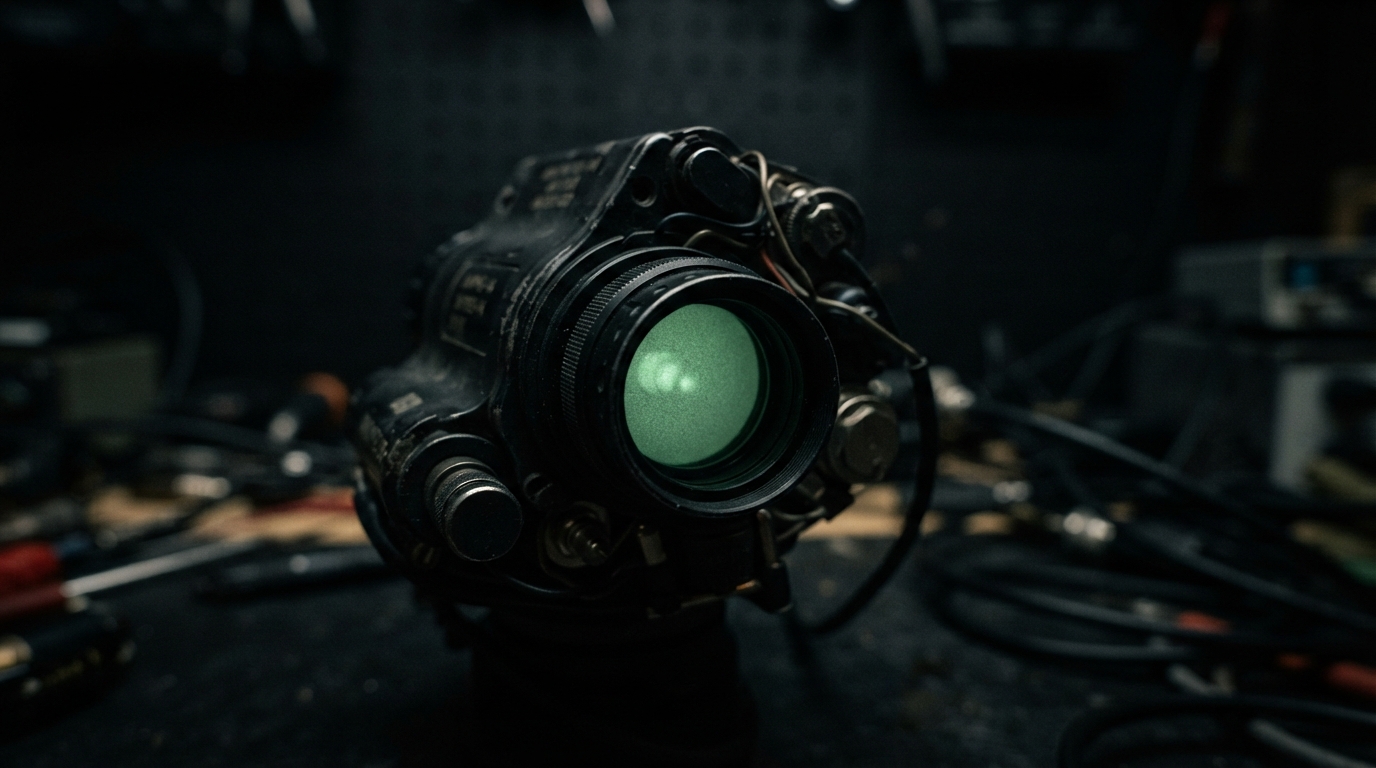
Image-intensified night vision takes very low levels of available light and produces an image the human eye can use. The basic idea is straightforward. Evaluating the quality of that image is where the subject becomes more complicated.
Tube performance, optics, housing design, controls, power, ergonomics, and the environment all influence the experience. That is why NSG does not reduce night vision to a single specification.
Thermal sees something different.
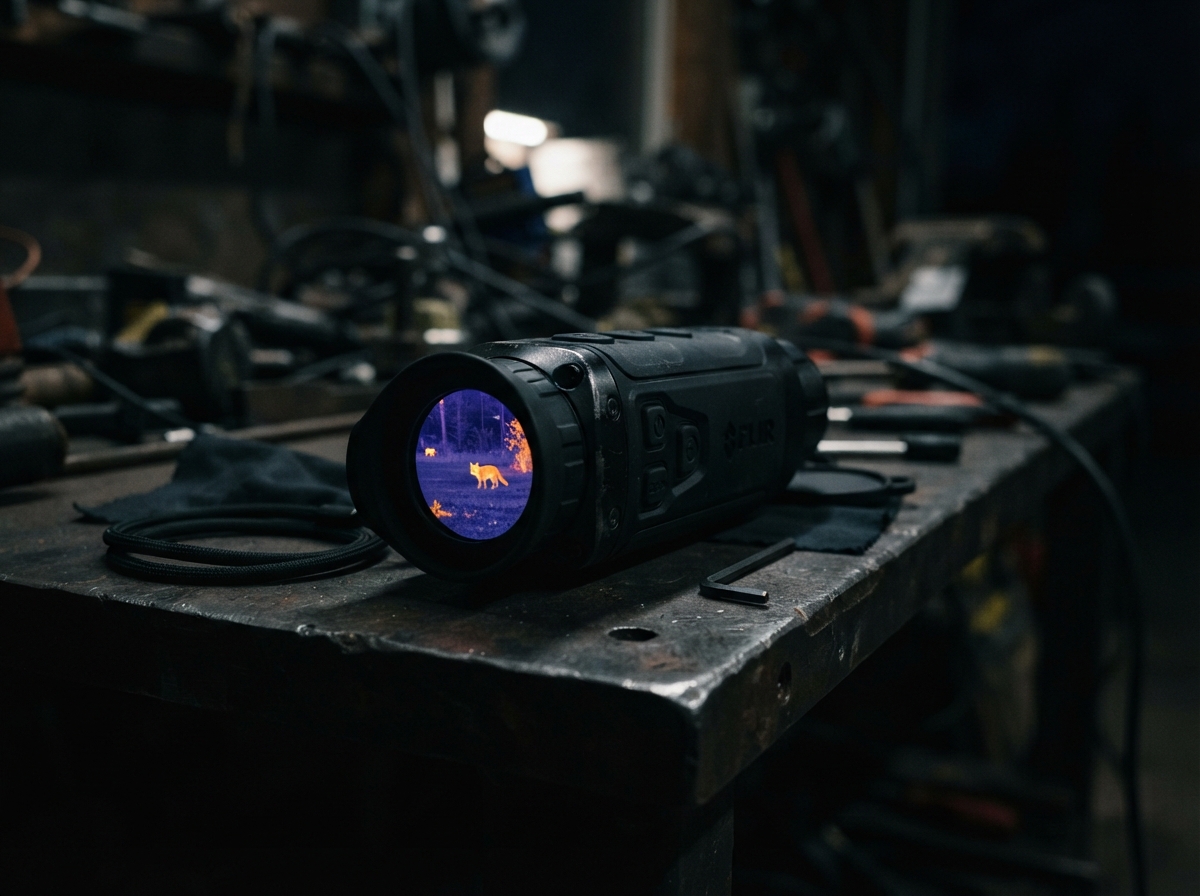
Thermal imaging does not simply make a dark scene brighter. It visualizes differences in emitted thermal energy, which means objects can stand out for reasons that have little to do with visible light.
That makes thermal extremely useful for some forms of observation while creating limitations that night vision does not share. Understanding the difference matters more than asking which technology is universally better.
Thermal vs. night vision: start with what you need to see.
These technologies are often compared as though one must replace the other. A better question is what information you need the device to provide.
| Attribute | Night Vision | Thermal Imaging |
|---|---|---|
| Image Source | Amplified available light | Differences in emitted thermal energy |
| Ambient-Light Dependence | Benefits from available light or supplemental illumination | Does not rely on visible ambient light in the same way |
| Scene Appearance | More closely preserves visible scene structure | Highlights thermal contrast |
| Fine Visual Context | Can preserve recognizable scene detail and visual context | Can make thermal differences immediately apparent but may show less familiar visible detail |
| Environmental Limitations | Performance changes with available light and lighting conditions | Performance can be affected by thermal conditions, weather, surfaces, and environmental equalization |
Neither technology is universally better. They provide different information.
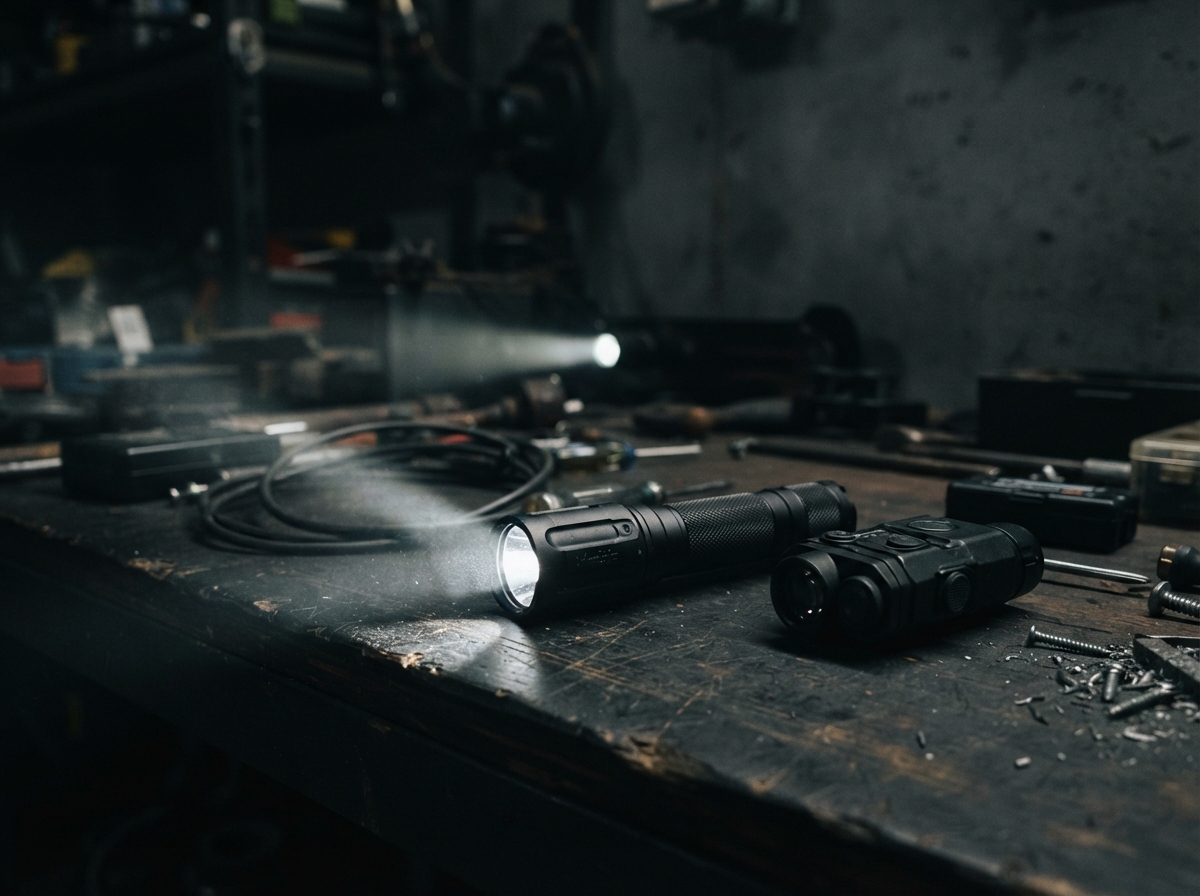
Sometimes the missing ingredient is simply more light.
Low-light systems still operate within physical limitations. Additional visible or infrared illumination can change what a system is able to show, but output alone does not describe usefulness.
Beam pattern, intensity, wavelength, distance, runtime, and the receiving device all matter.
Visible Illumination
Learn how output, intensity, beam shape, and runtime affect ordinary low-light illumination.
Infrared Illumination
Understand how infrared illumination interacts with compatible imaging systems.
Lumens vs. Candela
Two commonly quoted specifications describe different characteristics of a light source.
Specifications are useful only when you understand what they change.
Low-light products are often marketed through specification tables. Those numbers are much more useful when each one answers a specific question instead of becoming a score by itself.
RESOLUTION
A measure used to describe a system's ability to distinguish fine detail.
Resolution ExplainedSNR
Describes useful image signal relative to image noise and becomes especially meaningful as available light decreases.
Signal-to-Noise Ratio ExplainedEBI
Associated with background output from an image intensifier when very little useful light is present.
What EBI Actually MeansHALO
Describes the bright region that can appear around intense points of light in an intensified image.
Understanding HaloGAIN
Describes amplification within an image-intensification system. More amplification alone does not automatically mean a better image.
Night Vision Gain ExplainedFOM
A commonly referenced performance figure that combines multiple tube characteristics but should not be treated as a complete description of image quality.
FOM ExplainedAUTOGATING
A tube-control technology used to help manage changing or higher-light conditions.
Autogating ExplainedFIELD OF VIEW
Describes how much of the scene is visible through the system at one time.
Field of View ExplainedA specification should answer a question—not replace one.
Real equipment decisions require context. A device is a system made from sensors or intensifiers, optics, housing, controls, power, software where applicable, and the environment in which it is used.
Start where you are.
- How Night Vision Works
- Thermal vs. Night Vision
- Night Vision Terms You Should Know
- Buying Your First Night Vision Device
Start with how the technologies work before comparing individual products.
- Night Vision Specifications Explained
- Understanding Image Intensifier Tubes
- Monocular vs. Binocular Systems
- Infrared Illumination Explained
Move from basic concepts into specifications, device architecture, and tradeoffs.
- Understanding Tube Performance
- Environmental Effects on Low-Light Systems
- How NSG Evaluates Night Vision
- Comparing Specifications Without Losing Context
Explore deeper technical relationships, testing methodology, and product evaluation.
Research before the purchase.
The right product depends on the problem, budget, environment, and compromises you are willing to accept. NSG buying guides and reviews start by defining those conditions.
Product evaluations focused on performance, limitations, alternatives, and who should actually buy the equipment.
Guides built around understanding the category first and products second.
Testing and reviews are being added as equipment becomes available.
In the meantime, start with the evaluation methodology and buying guides that explain what NSG will measure and why.
Represent a manufacturer or brand? NSG accepts appropriate products and loaner equipment for independent evaluation. Supplying equipment does not guarantee favorable coverage.
Low-light terminology without the alphabet soup.
- AUTOGATING
- A control technology used in some image intensifiers to help manage changing light conditions.
- EBI
- A specification associated with background output from an image intensifier in very low-light conditions.
- FOM
- A calculated performance reference combining selected tube characteristics.
- GAIN
- Amplification produced within the imaging system.
- HALO
- The visible bright area that can surround a strong point of light in an intensified image.
- IMAGE INTENSIFIER
- A device that converts and amplifies very low levels of incoming light into a visible image.
- INFRARED
- Electromagnetic radiation outside the visible portion of the spectrum used by several low-light technologies in different ways.
- LP/MM
- Line pairs per millimeter, a unit commonly associated with resolution measurement.
- PHOTOCATHODE
- The component of an image intensifier that converts incoming photons into electrons.
- SNR
- Signal-to-noise ratio, describing useful signal relative to image noise.
- THERMAL SENSITIVITY
- A measure related to how small a temperature difference a thermal system can distinguish.
- WHITE PHOSPHOR
- An image presentation format used in some image-intensified night vision systems.
Low light does not exist in isolation.
Understand the lenses and optical systems behind low-light equipment.
Explore→PowerExplore batteries, runtime, portable power, and supporting electronics.
Explore→CommunicationsConnect low-light capability with broader field and emergency communication systems.
Explore→NavigationExplore tools used to understand location and direction when visibility is limited.
Explore→Useful information. Occasionally delivered.
New guides, product-testing notes, preparedness resources, equipment worth knowing about, and the occasional deal. No daily noise.